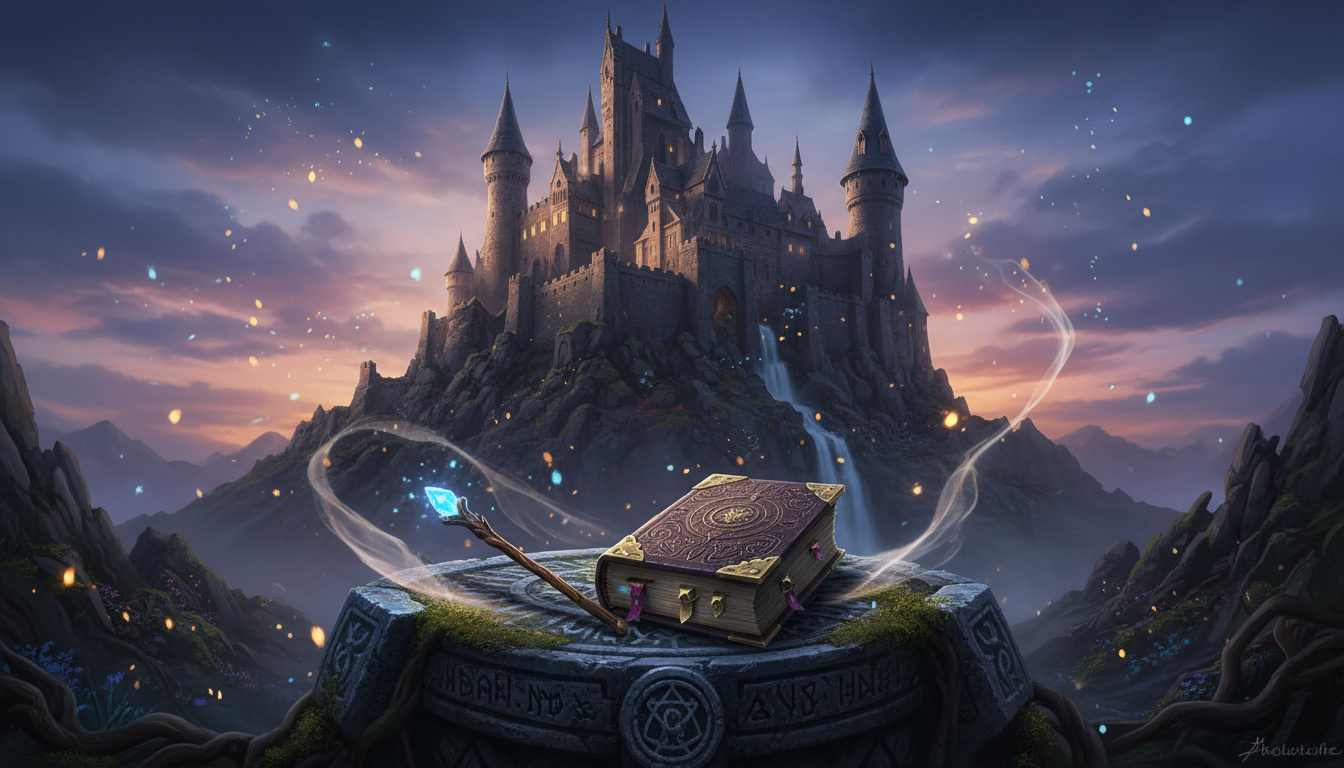
The Harry Potter movies stand as a cinematic phenomenon, weaving the magical journey of a young wizard with sweeping storytelling and blockbuster spectacle. Adapted from J.K. Rowling’s celebrated novels, these films have redefined modern fantasy and left an enduring mark on global entertainment.
Since the release of the first instalment in 2001, the series has captivated audiences with its vivid characters, evolving themes and remarkable production feats. Across eight main films, viewers witnessed not only Harry’s battles against Voldemort but also the transformation of a literary world into one of cinema’s most influential franchises.
What are the Harry Potter movies?
8 (including spin-off series)
2001–2011
Chris Columbus, Alfonso Cuarón, Mike Newell, David Yates
Global blockbuster, influential in modern fantasy
- The series comprises eight films adapted from J.K. Rowling’s novels.
- Released between 2001 and 2011, the franchise earned $7.7 billion globally (source).
- Award-winning production values and visual effects helped define 21st-century fantasy cinema.
- The shifts in tone mirrored the progression of Rowling’s books, appealing to both younger viewers and adults.
- A core trio—Daniel Radcliffe, Rupert Grint, and Emma Watson—anchored the cast throughout the saga.
- Spin-offs such as Fantastic Beasts have expanded the Wizarding World universe.
- Certified Fresh ratings on Rotten Tomatoes highlight sustained critical acclaim (Rotten Tomatoes guide).
| Fact | Detail |
|---|---|
| Number of Movies | 8 main films |
| Release Years | 2001 to 2011 |
| Directors | Multiple directors including Columbus, Cuarón, Newell, Yates |
| Box Office | Multi-billion dollar global revenue |
What is the correct viewing order and chronology?
Fans often debate the optimal viewing sequence for the Harry Potter movies. By release, the series runs from The Philosopher’s Stone to Deathly Hallows – Part 2. Chronologically, the films mirror the novels, set primarily from 1991 to 1998, each instalment evolving alongside the story’s timeline (Digital Spy timeline).
For completeness, some include the Fantastic Beasts prequels, which depict events in the 1920s before Harry’s story begins. However, the main film sequence remains the definitive core of the saga.
Movie release chronology
- Harry Potter and the Philosopher’s Stone – 2001
- Harry Potter and the Chamber of Secrets – 2002
- Harry Potter and the Prisoner of Azkaban – 2004
- Harry Potter and the Goblet of Fire – 2005
- Harry Potter and the Order of the Phoenix – 2007
- Harry Potter and the Half-Blood Prince – 2009
- Harry Potter and the Deathly Hallows – Part 1 – 2010
- Harry Potter and the Deathly Hallows – Part 2 – 2011
Viewing options with spin-offs
To chart the broader Wizarding World, viewers may begin with the Fantastic Beasts films, followed by the Harry Potter series to maintain chronological consistency (Rotten Tomatoes visual guide).
Each Harry Potter film matches a school year for the main characters, chronicling their journey from 1991 to 1998, while prequels like Fantastic Beasts trace events several decades earlier.
Who directed and produced the Harry Potter movies?
All eight movies were produced by Warner Bros., with David Heyman as the central producer. The director’s chair changed hands as the series progressed, each filmmaker bringing a distinct tone. Chris Columbus crafted a family-friendly opening, Alfonso Cuarón deepened the third chapter’s atmosphere, and David Yates steered the final four entries into darker territory (Wikipedia: Harry Potter film series).
Across the series, principal photography wrapped on 12 June 2010, closing a decade-long filming era. Warwick Davis described this as “the end of an era” for cast and crew.
Main cast highlights
- Daniel Radcliffe (Harry Potter) starred across all eight films
- Rupert Grint played Ron Weasley, Emma Watson portrayed Hermione Granger
- Notable recurring actors: Robbie Coltrane (Hagrid), Alan Rickman (Snape), Maggie Smith (McGonagall)
- Expanded adult cast: Helena Bonham Carter (Bellatrix), Gary Oldman (Sirius Black), Imelda Staunton (Umbridge)
Distinct production features
- Filming primarily at Warner Bros. Leavesden Studios in the UK
- Transition from family adventure to darker fantasy reflects changing directors
- J.K. Rowling’s creative oversight, especially from the fourth film onwards
- Deathly Hallows was split into two parts to maintain narrative integrity
Behind-the-scenes craftsmanship
Deathly Hallows – Part 1 initially planned for 3D release, but technical delays led to 2D only, despite a growing industry trend towards 3D blockbusters at the time (full production history).
How do the movies compare to the books and what is their cultural impact?
While the Harry Potter movies take inspiration directly from J.K. Rowling’s novels, adaptations required condensing expansive plots and omitting subplots for theatrical coherence. Creators prioritised major arcs, resulting in streamlined Dumbledore’s Army plotlines and reduced screen time for secondary characters such as Peeves the poltergeist (Wikipedia adaptation analysis).
Adaptation choices and changes
- Marauders’ backstory is briefly explored in Prisoner of Azkaban
- Goblet of Fire condenses Triwizard Tournament sequences
- Final battle sequences in Deathly Hallows are restructured for cinematic pacing
- Dobby’s role is adapted to emphasise his heroism in Deathly Hallows – Part 2
The need for runtime limits and narrative clarity led to the exclusion of several book subplots, a frequent subject of discussion among dedicated fans.
Popular culture and global reach
The movies energised interest in fantasy films, encouraged a spike in reading among young audiences, and elevated related genres such as The Hunger Games. Merchandising exceeded $25 billion, while the Studio Tour in London offers immersive experiences for visitors (official historical record).
Spin-offs and expanded universe
- Fantastic Beasts films act as prequels set in the 1920s
- The Cursed Child play continues the timeline with Harry’s son Albus and Draco Malfoy’s son Scorpius
- Future television series are planned for HBO Max
Wizarding World cinema incorporates spin-offs and stage productions, making Harry Potter a multi-platform property beyond the initial eight films (Rotten Tomatoes spin-off guide).
Timeline: When were the Harry Potter movies released?
- Harry Potter and the Philosopher’s Stone premiered on 16 November 2001, launching the franchise (Wikipedia: Release timeline).
- Chamber of Secrets opened on 3 December 2002 (UK) / 15 November 2002 (US).
- Prisoner of Azkaban arrived in cinemas on 4 June 2004.
- Goblet of Fire was released on 18 November 2005.
- Order of the Phoenix debuted on 11 July 2007 (UK) / 13 July 2007 (US).
- Half-Blood Prince followed on 21 July 2009 (UK) / 17 July 2009 (US).
- Deathly Hallows – Part 1 was released on 19 November 2010.
- Deathly Hallows – Part 2 concluded the saga on 15 July 2011.
Certainty and debate: What is known and what remains unsettled?
| Established Facts | Points of Ongoing Debate |
|---|---|
| Official release dates, directors, and production company are well documented (Wikipedia: Production facts). | The level of faithfulness to Rowling’s original text continues to generate discussion. |
| Critical acclaim and box office success are supported by certified reviews and financial records (Rotten Tomatoes box office). | The cultural meaning and long-term legacy are subjects for academic and fan debate. |
| Main cast and character assignments are consistently verified. | The importance of omitted or altered subplots is regularly revisited by the fanbase. |
| Film chronology and in-universe timeline largely match the book chronology. | Assessment of adaptation choices and their impact on character arcs varies. |
Background and lasting influence of the wizarding world on cinema
The Harry Potter film series emerged after J.K. Rowling’s novels achieved international popularity, with Warner Bros. acquiring the rights and commencing high-profile adaptations. Creative collaborations evolved as the tone shifted from whimsical to epic, paralleling advances in visual effects and immersive set design.
The franchise set new benchmarks in fantasy filmmaking, influencing subsequent series and mainstreaming adaptations of young adult literature. Iconic scenes, memorable performances, and detailed world-building have ensured a persistent cultural presence and continuing explorations through stage, streaming, and theme park experiences.
For further context on blockbuster franchise chronology, explore the Marvel Movies In Order – Essential Viewing Guide.
Authoritative perspectives and key quotations
“With filming complete, the Harry Potter movie journey truly marks the end of an era for cast, crew, and fans alike.”
— Warwick Davis, as cited by Wikipedia
“The Harry Potter movies capture the heart of Rowling’s world and take the audience on a thrilling ride from innocence to epic struggle.”
— Rotten Tomatoes series recap, full guide
What is the key takeaway from the Harry Potter movies’ journey?
Spanning a decade of cinema, the Harry Potter movies transformed literary magic into box office history, blending rich character arcs with genre-defining spectacle. Their sweep across popular culture continues to inspire and unite generations of fans worldwide. For related coverage on cinematic adaptations, see Demon Slayer Movie – Release Dates And Plot Unveiled.
Frequently Asked Questions about Harry Potter movies
What special effects innovations were used in the Harry Potter movies?
Groundbreaking visual effects included motion-capture for magical creatures and advanced CGI for spells and environments, particularly in later instalments.
How do the Harry Potter movies compare to other fantasy films?
The series is frequently credited with influencing modern fantasy cinema, inspiring franchises like The Hunger Games and Twilight with its tone and production scale.
What merchandise and spin-off products are associated with the franchise?
Merchandise ranges from toys and costumes to theme park attractions, with total sales exceeding $25 billion.
Is there any new Harry Potter movie or spin-off in development?
An HBO Max television adaptation and further Wizarding World spin-offs have been announced, though specific details remain in development.
Who played the main trio in the Harry Potter movies?
Daniel Radcliffe portrayed Harry, Rupert Grint played Ron, and Emma Watson starred as Hermione throughout all eight films.
Was J.K. Rowling involved in the movie adaptations?
Rowling consulted on casting and scripts, receiving executive producer credit from the fourth film onwards.
How did the release of the movies affect book sales?
Each film boosted global sales and library loans of the Harry Potter books, encouraging greater readership among young audiences.
Which movie is considered the highest-grossing in the series?
Harry Potter and the Deathly Hallows – Part 2 is the highest-grossing, earning approximately $1.3 billion worldwide.
{
“@context”: “http://schema.org”,
“@type”: “NewsArticle”,
“headline”: “harry potter movies”,
“datePublished”: “2024-06-23”,
“dateModified”: “2024-06-23”,
“articleSection”: [
“Introduction”,
“What are the Harry Potter movies?”,
“What is the correct viewing order and chronology?”,
“Who directed and produced the Harry Potter movies?”,
“How do the movies compare to the books and what is their cultural impact?”,
“Timeline: When were the Harry Potter movies released?”,
“Certainty and debate: What is known and what remains unsettled?”,
“Background and lasting influence of the wizarding world on cinema”,
“Authoritative perspectives and key quotations”,
“What is the key takeaway from the Harry Potter movies’ journey?”,
“Frequently Asked Questions about Harry Potter movies”
]
}
{
“@context”: “https://schema.org”,
“@type”: “FAQPage”,
“mainEntity”: [
{
“@type”: “Question”,
“name”: “What special effects innovations were used in the Harry Potter movies?”,
“acceptedAnswer”: {
“@type”: “Answer”,
“text”: “Groundbreaking visual effects included motion-capture for magical creatures and advanced CGI for spells and environments, particularly in later instalments.”
}
},
{
“@type”: “Question”,
“name”: “How do the Harry Potter movies compare to other fantasy films?”,
“acceptedAnswer”: {
“@type”: “Answer”,
“text”: “The series is frequently credited with influencing modern fantasy cinema, inspiring franchises like The Hunger Games and Twilight with its tone and production scale.”
}
},
{
“@type”: “Question”,
“name”: “What merchandise and spin-off products are associated with the franchise?”,
“acceptedAnswer”: {
“@type”: “Answer”,
“text”: “Merchandise ranges from toys and costumes to theme park attractions, with total sales exceeding $25 billion.”
}
},
{
“@type”: “Question”,
“name”: “Is there any new Harry Potter movie or spin-off in development?”,
“acceptedAnswer”: {
“@type”: “Answer”,
“text”: “An HBO Max television adaptation and further Wizarding World spin-offs have been announced, though specific details remain in development.”
}
},
{
“@type”: “Question”,
“name”: “Who played the main trio in the Harry Potter movies?”,
“acceptedAnswer”: {
“@type”: “Answer”,
“text”: “Daniel Radcliffe portrayed Harry, Rupert Grint played Ron, and Emma Watson starred as Hermione throughout all eight films.”
}
},
{
“@type”: “Question”,
“name”: “Was J.K. Rowling involved in the movie adaptations?”,
“acceptedAnswer”: {
“@type”: “Answer”,
“text”: “Rowling consulted on casting and scripts, receiving executive producer credit from the fourth film onwards.”
}
},
{
“@type”: “Question”,
“name”: “How did the release of the movies affect book sales?”,
“acceptedAnswer”: {
“@type”: “Answer”,
“text”: “Each film boosted global sales and library loans of the Harry Potter books, encouraging greater readership among young audiences.”
}
},
{
“@type”: “Question”,
“name”: “Which movie is considered the highest-grossing in the series?”,
“acceptedAnswer”: {
“@type”: “Answer”,
“text”: “Harry Potter and the Deathly Hallows – Part 2 is the highest-grossing, earning approximately $1.3 billion worldwide.”
}
}
]
}
Related cast guides: Harry Treadaway Movies and TV Shows · Harry Potter Full Cast Audiobook
Related stories

Leon Carter covers cinema releases, movie cast guides and filmographies.