Released in 2007, Ratatouille represents Pixar Animation Studios’ eighth feature film, following the culinary ambitions of Remy, a rat who dreams of becoming a gourmet chef in Paris. Directed by Brad Bird, the film combines sophisticated animation with a heartfelt narrative about artistic passion and social prejudice, establishing itself as a landmark in animated storytelling.
Set entirely within the French capital, the production distinguished itself through groundbreaking 3D food animation techniques and consultation with renowned chefs to achieve culinary authenticity. The narrative explores themes of identity, family loyalty, and the democratisation of art through its central partnership between a rodent prodigy and a hapless human kitchen worker.
The film’s commercial and critical success, culminating in an Academy Award for Best Animated Feature, cemented its position within the Disney Movies – Legacy Of Innovation And Storytelling, whilst challenging conventional animation tropes regarding protagonist species and narrative sophistication.
What is Ratatouille about?
- Brad Bird’s first Pixar directorial effort following The Incredibles (2004)
- Groundbreaking 3D animation techniques specifically developed for realistic food rendering
- First Pixar film set entirely outside the United States, centred on Parisian culture
- Features a rat protagonist, challenging conventional animation hero archetypes
- Won the Academy Award for Best Animated Feature at the 80th Academy Awards
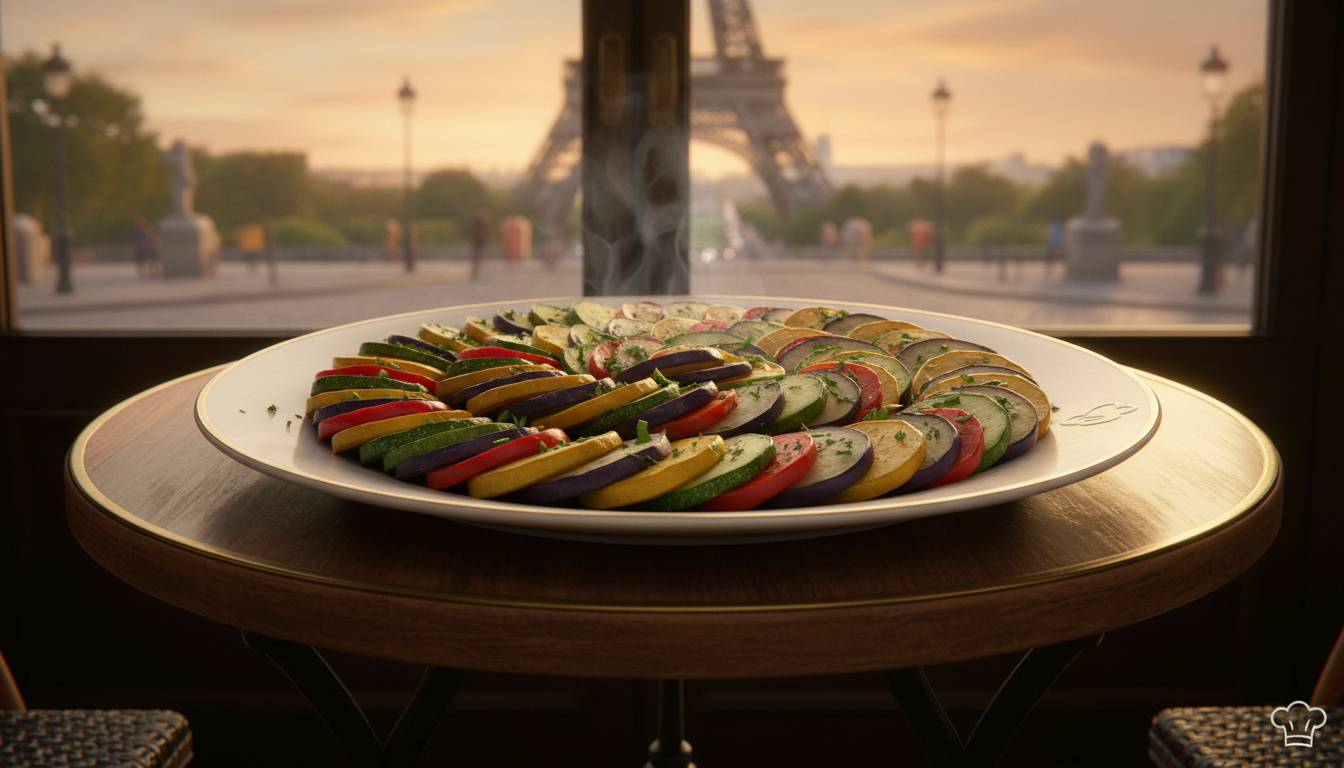
- Includes the authentic culinary preparation “confit byaldi” developed by chef Thomas Keller
- Explores sophisticated themes of artistic integrity and social prejudice
| Fact | Details |
|---|---|
| Budget | $150 million |
| Box Office (North America) | $206.4 million |
| Box Office (Worldwide) | $623.3 million |
| Opening Weekend (US) | $47 million |
| MPAA Rating | PG |
| Primary Setting | Paris, France |
| Academy Awards | Best Animated Feature (Won), Best Original Screenplay (Nominated), Best Sound Editing (Nominated) |
| Golden Globes | Best Animated Feature Film (Won) |
| Release Date (United States) | 29 June 2007 |
| Release Date (United Kingdom) | 6 July 2007 |
The Narrative Journey
Remy, a rat possessing exceptional taste and olfactory senses, idolises the deceased chef Auguste Gusteau despite his clan’s instinctive disdain for humans. Following separation from his family after discovery in a rural attic, Remy navigates the sewers of Paris to arrive at Gusteau’s restaurant, where he encounters Alfredo Linguini, a clumsy garbage boy. Wikipedia’s detailed plot summary documents how Remy secretly fixes a ruined soup, sparking unexpected culinary success.
The central conceit involves Remy controlling Linguini’s movements by pulling his hair like a marionette, concealed beneath the human’s chef’s hat. This collaboration attracts the attention of Colette Tatou, the kitchen’s sole female chef, who trains Linguini whilst remaining unaware of his rodent partner. Suspicious owner Skinner investigates Linguini’s lineage, uncovering his status as Gusteau’s illegitimate son, creating conflict over restaurant ownership.
The climax involves the notoriously harsh critic Anton Ego, whose visit coincides with a rat colony raid that exposes the kitchen’s secret inhabitants. Despite health violations closing Gusteau’s establishment, Remy prepares the eponymous confit byaldi dish, evoking Ego’s childhood memories and transforming his perspective. Analysis of the ending explains how the characters subsequently open La Ratatouille bistro, funded by Ego himself, with the rat colony settling nearby.
Who is in the Ratatouille cast and who directed it?
Voice Cast and Characters
Patton Oswalt voices Remy, bringing both comedic timing and emotional depth to the aspiring chef. Lou Romano portrays Alfredo Linguini, the awkward kitchen worker who serves as Remy’s human conduit. Janeane Garofalo delivers a nuanced performance as Colette Tatou, the determined chef navigating a male-dominated professional environment.
The supporting cast includes Peter O’Toole as the formidable critic Anton Ego, whose monologue on criticism’s role in society represents a highlight of the screenplay. Ian Holm voices the antagonistic Skinner, whilst Brad Garrett provides the voice of Auguste Gusteau, appearing as both a memory and an apparition. Brian Dennehy and Peter Sohn round out the principal cast as Django and Émile, Remy’s father and brother respectively.
Direction and Screenplay Development
Brad Bird assumed directorial duties in 2006, replacing Jan Pinkava who had developed the project since 2005. Bird co-wrote the screenplay with Pinkava and Jim Caple, significantly rewriting portions to emphasise realism and emotional authenticity. Pixar’s official documentation notes that Bird drew inspiration from extensive interviews with professional chefs to capture kitchen culture accurately.
Brad Bird’s assumption of directorial control in 2006 marked a significant shift in the film’s development. Bird rewrote substantial portions of the screenplay to ground the fantastical premise in emotional realism, consulting culinary professionals to ensure authentic kitchen dynamics and food preparation sequences.
When was Ratatouille released and what was its reception?
Theatrical Release and Commercial Performance
The film premiered in the United States on 29 June 2007, followed by a United Kingdom release on 6 July 2007. Box office records indicate a domestic opening of $47 million, eventually accumulating $206.4 million in North America and $623.3 million worldwide against a $150 million production budget.
Critical Accolades and Industry Recognition
Rotten Tomatoes aggregates critical opinion at 96% approval, with Roger Ebert notably declaring it “Pixar’s finest.” The film secured the Academy Award for Best Animated Feature at the 80th Academy Awards, alongside the Golden Globe for Best Animated Feature Film and three Annie Awards. Additional nominations included Best Original Screenplay and Best Sound Editing.
Is Ratatouille based on a true story?
Fictional Narrative Origins
The narrative is entirely fictional, bearing no basis in actual events or historical figures. Pixar’s official production notes confirm the story emerged from creative imagination rather than biographical inspiration, though the setting draws authentically from Parisian dining culture and culinary traditions.
Culinary Authenticity and Real-World Connections
Whilst the characters are invented, the culinary techniques depicted required extensive research. Pixar consulted Thomas Keller, chef and proprietor of The French Laundry, who developed the specific confit byaldi recipe featured in the film’s climactic scene. This preparation involves precisely layered zucchini, squash, eggplant, and tomato-pepper sauce, baked slowly to achieve the presentation that impresses Anton Ego.
The signature dish, confit byaldi, represents a refined variation of traditional ratatouille developed by Thomas Keller. Unlike rustic ratatouille, this version requires thinly sliced vegetables arranged in a shingled pattern over a piperade sauce, demonstrating the technical precision that distinguishes haute cuisine from home cooking.
Despite persistent speculation, Pixar has not produced a theatrical sequel. A stage musical adaptation gained prominence in 2021 following viral social media engagement, but no feature film continuation has been confirmed or announced by the studio.
How did Ratatouille develop from concept to screen?
- : Development begins under director Jan Pinkava, focusing on a rat protagonist with sophisticated culinary sensibilities.
- : Brad Bird assumes directorial control, rewriting the screenplay to emphasise realism and emotional depth.
- : Theatrical release in the United States.
- : Theatrical release in the United Kingdom.
- : Wins the Academy Award for Best Animated Feature at the 80th Academy Awards ceremony.
- : Stage musical adaptation premieres following viral TikTok campaign, though no film sequel materialises.
What is established fact and what remains uncertain?
| Established Information | Uncertain or Debunked Details |
|---|---|
| Directed by Brad Bird (completed) | Specific real-world chef who inspired Remy’s character (unconfirmed) |
| Released June/July 2007 | Potential theatrical sequel (repeatedly denied by Pixar) |
| Budget of $150 million | Exact box office figures beyond official studio reports |
| Voice cast including Patton Oswalt and Peter O’Toole | Extent of Jan Pinkava’s retained screenplay contributions |
| Fictional narrative with no true story basis | Specific Paris restaurant that inspired Gusteau’s exterior (speculative) |
| Won Academy Award for Best Animated Feature | Development timeline of abandoned spin-off projects |
What cultural impact did Ratatouille achieve?
Gusteau’s mantra “Anyone can cook” transcended the film to become a cultural touchstone for inclusivity and meritocratic values. The production challenged entrenched animation conventions by presenting a rat—a traditionally vilified creature—as a sympathetic protagonist whose artistic sensitivity elevates him above social prejudice. This thematic choice resonated with audiences worldwide, contributing to the film’s enduring popularity.
The Parisian setting, rendered with meticulous attention to architectural detail and atmospheric lighting, sparked renewed international interest in French cuisine and culinary careers. Unlike franchise-oriented animated features such as the Paw Patrol Movie – Plot, Cast, Release and Guide, Ratatouille stands as a self-contained narrative that influenced subsequent food media, including documentary filmmaking and competitive cooking programming, by validating the emotional significance of gastronomic craft.
The film’s visual sophistication, particularly in its rendering of food textures and kitchen environments, established new technical benchmarks for computer animation. By consulting culinary professionals and photographing real ingredients under studio lighting, Pixar created reference materials that advanced digital rendering capabilities for organic materials.
What do critics and creators say about Ratatouille?
Pixar’s finest.
Roger Ebert, film critic
Anyone can cook.
Auguste Gusteau (character), Ratatouille
Remy’s journey mirrors my own.
Brad Bird, director
Why does Ratatouille remain significant?
Nearly two decades after its release, Ratatouille maintains its stature through the sophistication of its visual storytelling and the universality of its themes regarding artistic ambition and social mobility. The film’s validation of craft excellence regardless of origin, combined with its technical innovations in food animation, secures its position as a definitive work within the animated canon, available currently via streaming on Disney+.
Frequently Asked Questions
What does Ratatouille mean?
The title refers to a traditional French Provençal vegetable dish, specifically the refined “confit byaldi” variation featured in the film, which symbolises the democratisation of haute cuisine.
Is there a Ratatouille 2?
No theatrical sequel has been produced. A stage musical adaptation premiered in 2021, but Pixar has not announced plans for a feature film continuation.
What are Ratatouille reviews like?
The film holds a 96% approval rating on Rotten Tomatoes, with critics praising its animation sophistication, voice performances, and thematic depth. Roger Ebert named it “Pixar’s finest.”
Where can I watch Ratatouille?
The film streams exclusively on Disney+ and is available for digital purchase through major platforms.
Who voices Remy in Ratatouille?
Comedian Patton Oswalt provides the voice for Remy, bringing both humour and emotional nuance to the aspiring chef rat.
Is the food in Ratatouille real?
Whilst animated, the dishes were modelled on real recipes, including the confit byaldi developed by chef Thomas Keller, with Pixar consulting culinary professionals to ensure authenticity.
Is Ratatouille based on a true story?
No, the narrative is entirely fictional, though inspired by Parisian dining culture and the philosophy that culinary talent transcends social boundaries.
Who directed Ratatouille?
Brad Bird directed the film, having assumed control in 2006 from original director Jan Pinkava, and co-wrote the screenplay with Pinkava and Jim Caple.
Related stories





Grace Hollis covers actors, awards season and screen-linked celebrity coverage.