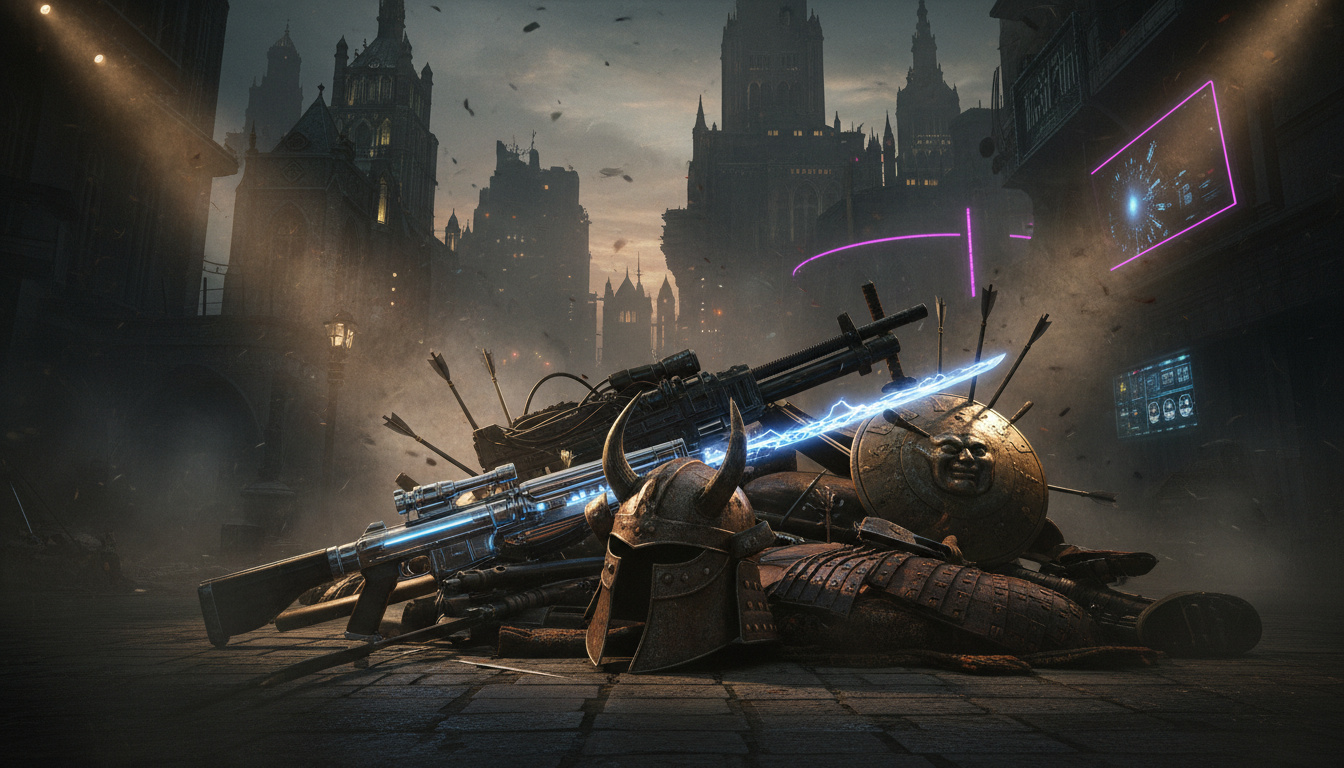
Weapons movies occupy a distinctive niche in cinema, where weaponry is not just a tool for action but a central element shaping narrative, genre, and cultural meaning. Modern films, including Zach Cregger’s Weapons (2025), exemplify how these stories move beyond surface spectacle to explore deeper psychological and social themes.
In contrast to standard action films, weapons movies blend kinetic set-pieces with layered commentary on violence, fear, and the ethics of power. From their depiction of literal arms to metaphorical interpretations—such as rage or societal contagion—these films have left an indelible mark on both movie-making and popular culture.
This guide examines what defines a weapons movie, explores how weaponry shapes film narratives, and investigates the genre’s evolving production challenges and societal impact.
What defines a weapons movie and how does it differ from other action films?
- Definition: What qualifies as a weapons movie and its distinguishing features.
- Narrative Impact: How weaponry influences story arcs and cinematic style.
- Cultural Context: The societal and historical impact of weapons in cinema.
- Production Insights: Key production challenges and techniques used to portray weapons.
- Weapons movies use weaponry as a core narrative and thematic driver, not mere props for action sequences.
- The genre evolved markedly from late 20th-century blockbusters to modern psychological thrillers and allegorical horror.
- Cultural ramifications of these films reflect changing societal attitudes towards violence and conflict.
- Expert commentaries emphasise a careful balance of authenticity, artistic style, and ethical responsibility.
- Production relies on tight safety protocols, realistic effects, and nuanced symbolism.
- Distinct from general action films, weapons movies integrate weaponry into the moral and emotional fabric of the story.
| Fact | Snapshot |
|---|---|
| Defining Feature | Action-packed narratives with a focus on weaponry. |
| Key Era | Modern films from the late 20th century to present. |
| Production Note | High emphasis on realistic portrayal and safety protocols. |
| Cultural Impact | Reflects and influences public perceptions of weapon use in society. |
| Notable Example | Weapons (2025) subverts literal weapon focus for metaphorical depth. |
| Critical Response | Praised for unpredictability and thematic complexity. |
| Genre Variations | Spans horror, thriller, procedural, and action. |
How do weapons shape the narrative and aesthetic of modern movies?
Weaponry as Central Narrative Force
In modern cinema, weapons often move from background elements to central narrative engines. Films like Weapons (2025) illustrate this evolution, using devices like a floating assault rifle not as a straightforward threat, but as a symbol of rage, trauma, and societal anxieties. This shift parallels the industry’s broader move towards psychological nuance and interwoven storylines. Cinemavia’s analysis highlights how these representations open discussion on invisible threats and ethical dilemmas, rather than simply serving spectacle.
Genre Subversion and Thematic Layers
Rather than classic good-versus-evil stories, weapons movies increasingly adopt fragmented narratives and morally ambiguous characters. Reason’s review observes that Weapons avoids overt metaphors and clear resolutions, inviting audiences to project personal meaning onto events.
Instead of focusing on physical combat, sophisticated weapons movies use weaponry to examine themes like grief, anger, and communal breakdown. In Weapons (2025), the lack of a traditional hero, paired with overlapping perspectives, reflects how communities process trauma in complex, unpredictable ways. This approach aligns with trends noted by Variety’s reviewers, who favour films that prioritise depth and thematic exploration over simple action.
Iconic Scenes and Symbolism
Iconic scenes rarely rely solely on technical effects; instead, they merge weaponry with psychological stakes. The floating gun motif in Weapons acts as a persistent reminder of unresolved anger and societal fears, particularly around issues like school violence and communal loss. This form of symbolism typifies the genre’s shift towards ambiguity and complex emotional resonance.
What are the production challenges and cultural impacts of weapons movies?
Production Techniques and Safety
Depicting weaponry on screen comes with strict regulatory and safety protocols. Modern productions, as noted in expert breakdowns by IMDb, involve specialist armourers, advanced digital effects for realism, and careful choreography to avoid accidents. The balance between realistic spectacle and cast protection is a constant behind-the-scenes concern.
Directors must navigate the tension between authentic representation and the need for drama or fantasy. In Weapons, for instance, traditional firearms give way to abstract, metaphorical use, relying on viewer interpretation rather than physical accuracy. According to Rotten Tomatoes aggregate reviews, this creative choice can polarise audiences and critics alike.
Influence of Real-World Events
Societal shifts influence how weaponry is portrayed. The rise in real-life firearm debates and anxieties around violence have shaped stories, with filmmakers adopting more nuanced, critical approaches. Weapons is a direct response to these anxieties, using supernatural motifs to reflect collective fears rather than prescribe solutions.
Critical Reception and Expert Perspectives
Critical responses frequently highlight the genre’s unpredictability and complexity. ScreenplayHowTo describes Weapons as a decisive genre-deconstruction with essential lessons for screenwriters, and The Guardian’s film section praises its thematic reach. Yet, some note the inherent opacity and reliance on audience projection as both creative strengths and stumbling blocks.
Rather than moralising, many weapons movies resist overt social messaging, allowing viewers to confront ambiguity head-on. This open-endedness, as explored in Cinemavia’s review, makes them magnets for ongoing cultural debate and academic study.
How have weapons in movies evolved over the past decades?
Classic Cinema to Modern Genre
Early films featured weapons largely as tools of heroism, reflecting wartime valor or western codes of justice. The action boom of the 1980s popularised martial spectacle—think blockbusters with signature firearms or melee sequences. By the 21st century, weaponry became increasingly layered, often representing cultural anxieties or internal struggles rather than solely physical contests.
Symbolic and Psychological Approaches
Contemporary works like Weapons blur the lines between literal and metaphorical, employing weaponry not only for explosive spectacle but as vehicles for exploring trauma, addiction, or societal breakdown. The title itself may even reference abstract forces—rage, manipulation, or supernatural contagion—rather than traditional arms, a trend echoed in genre analyses by OreateAI.
Unlike typical action films, Weapons presents no literal evolution of arms. The assault rifle appears as dream imagery, prioritising psychological resonance over power-dynamics or military hardware. This deliberate subversion is highlighted throughout analyses in both technical and cultural reviews.
Cross-Genre Innovators
Hybrid films blend procedural, thriller, and folk horror codes, using weaponry to test narrative limits. Weapons stands out for its rigidly non-linear approach, reminiscent of multi-character dramas such as Magnolia, yet with a focus on driving conflict and societal decay over mere spectacle. Such innovation often sets the tone for future genre directions.
Timeline: Evolution of Weapons Movie Themes in Cinema
- Classic Foundations: Early 20th-century films establish guns and swords as emblematic of heroism and conflict (Source: British Film Institute).
- Action Film Boom (1980s): Blockbusters elevate weapon use, with iconic firearms and explosive set-pieces defining the era.
- Psycho-Social Expansion (2000s): Movies integrate weapon symbolism into psychological thrillers and allegorical horror.
- Digital Realism (2010s): Introduction of digital effects for safer, more immersive weapon depictions (See IMDb technical notes).
- Allegorical and Experimental Works (2020s): Films like Weapons repurpose weaponry as metaphors, addressing societal violence and trauma (Sources: Cinemavia, ScreenplayHowTo).
What’s confirmed and still uncertain about the weapons movie genre?
| Established Elements | Information Remaining Unclear |
|---|---|
| High-impact narratives, often centred on metaphorical or literal weaponry. | The long-term effect of subtle vs. explicit depictions on audience behaviour. |
| Industry-wide safety standards and careful choreography for weapon scenes. | Definitive impact of weapons movies on public attitudes towards real-life violence. |
| Critical acclaim for originality, ambiguity, and subversion of genre clichés. | Whether the move towards allegory will endure or revert to spectacle-based trends. |
| Confirmed use of weapon imagery to prompt ethical and psychological reflection. | How future global events may steer weapon portrayal in film. |
How do weapons-driven stories fit into cinematic and cultural context?
Weapons movies extend beyond the surface excitement of action, serving as mirrors for collective anxieties, rites of passage, and conflicted attitudes towards violence. Modern interpretations, as found in Sinners (2025 en-GBlm) – Cultural Impact Explained, and international comparisons further emphasise the diversity of approaches in this evolving field.
Recent productions illustrate how directors and writers walk the fine line between entertainment, realism, and social responsibility. The emotional, symbolic, and thematic use of weaponry continues to shape not only cinematic style, but also broader cultural debates around identity, safety, and community.
What do experts and critics say about weapons movies?
“A decisive genre-deconstructing text, Weapons places rigorous cinematic language above commercial trends—an essential beat sheet for creative screenwriters.”
ScreenplayHowTo
“This film offers a masterclass in tone and genre blend, with authentic reactions and unpredictable narrative structure.”
Genius Screenplay Explained
“A rare horror film that avoids obvious metaphor, daring viewers to draw their own conclusions instead of signposting social problems.”
Reason
What are the future directions for the weapons movie genre?
The genre shows a trajectory towards greater narrative complexity, symbolic storytelling, and cultural engagement. Those seeking further reading may explore the Cast of 28 Days Later – Authentic Cast Overview or continue with features such as Film Industry Trends to see how weaponry is discussed across cinematic landscapes.
Frequently Asked Questions about Weapons Movies
How has the depiction of weapons in movies changed over time?
Depictions have shifted from heroic, action-focused portrayals to thematic, psychological, and symbolic uses, particularly in recent decades.
What makes a movie qualify as a weapons movie?
A film is considered a weapons movie when weaponry is integral to the plot, themes, or symbolism, significantly shaping the story’s direction.
Are there specific genres that predominantly feature weaponry?
Weaponry appears most in action, thriller, horror, and war genres but can cross into drama and procedural films as well.
How do filmmakers balance action and realism in depicting weapons?
They combine expert consultants, special effects, and thoughtful choreography, prioritising safety and narrative logic over excessive stylisation.
What impact do weapons movies have on popular culture?
They influence public debates around violence, identity, and community, often serving as reference points in broader cultural conversations.
{
“@context”: “https://schema.org”,
“@type”: “NewsArticle”,
“headline”: “weapons movie”,
“description”: “Explore an in-depth analysis of weapons movies, detailing how weaponry shapes cinematic narratives, production challenges, and cultural impact. Includes expert insights and historical timelines.”,
“datePublished”: “2024-06-21”,
“dateModified”: “2024-06-21”,
“articleSection”: [
“What defines a weapons movie and how does it differ from other action films?”,
“How do weapons shape the narrative and aesthetic of modern movies?”,
“What are the production challenges and cultural impacts of weapons movies?”,
“How have weapons in movies evolved over the past decades?”,
“Timeline: Evolution of Weapons Movie Themes in Cinema”,
“What’s confirmed and still uncertain about the weapons movie genre?”,
“How do weapons-driven stories fit into cinematic and cultural context?”,
“What do experts and critics say about weapons movies?”,
“What are the future directions for the weapons movie genre?”,
“Frequently Asked Questions about Weapons Movies”
],
“mainEntityOfPage”: {
“@type”: “WebPage”,
“@id”: “https://castradar.uk/weapons-movie”
},
“author”: [
{
“@type”: “Person”,
“name”: “Film Analysis Team”
}
],
“publisher”: {
“@type”: “Organization”,
“name”: “Castradar”,
“logo”: {
“@type”: “ImageObject”,
“url”: “https://castradar.uk/logo.png”
}
}
}
{
“@context”: “https://schema.org”,
“@type”: “FAQPage”,
“mainEntity”: [
{
“@type”: “Question”,
“name”: “How has the depiction of weapons in movies changed over time?”,
“acceptedAnswer”: {
“@type”: “Answer”,
“text”: “Depictions have shifted from heroic, action-focused portrayals to thematic, psychological, and symbolic uses, particularly in recent decades.”
}
},
{
“@type”: “Question”,
“name”: “What makes a movie qualify as a weapons movie?”,
“acceptedAnswer”: {
“@type”: “Answer”,
“text”: “A film is considered a weapons movie when weaponry is integral to the plot, themes, or symbolism, significantly shaping the story’s direction.”
}
},
{
“@type”: “Question”,
“name”: “Are there specific genres that predominantly feature weaponry?”,
“acceptedAnswer”: {
“@type”: “Answer”,
“text”: “Weaponry appears most in action, thriller, horror, and war genres but can cross into drama and procedural films as well.”
}
},
{
“@type”: “Question”,
“name”: “How do filmmakers balance action and realism in depicting weapons?”,
“acceptedAnswer”: {
“@type”: “Answer”,
“text”: “They combine expert consultants, special effects, and thoughtful choreography, prioritising safety and narrative logic over excessive stylisation.”
}
},
{
“@type”: “Question”,
“name”: “What impact do weapons movies have on popular culture?”,
“acceptedAnswer”: {
“@type”: “Answer”,
“text”: “They influence public debates around violence, identity, and community, often serving as reference points in broader cultural conversations.”
}
}
]
}
Related cast guide: Deep Impact
Related stories



Adam Pryor is Managing Editor at Castradar.uk, running the daily publishing schedule and guide commissioning.