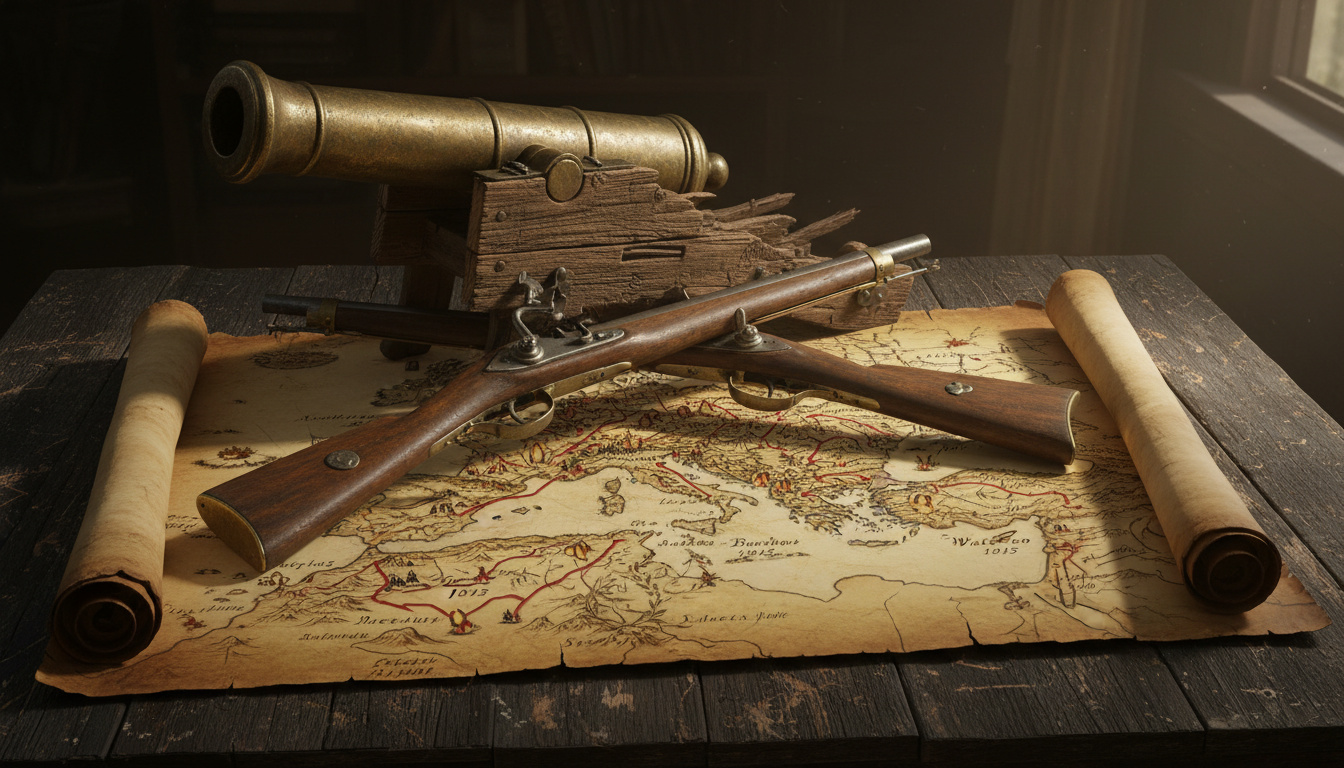
Napoleon Bonaparte, born in Corsica, emerged from relative obscurity to shape the destiny of Europe through warfare, political reform, and enduring controversy. His meteoric rise from artillery officer to Emperor changed the face of the continent, leaving a mark not only on France but also on Great Britain and the wider European order.
He combined military genius with sweeping legal and social reforms, introducing the Napoleonic Code and restructuring much of Europe in his image. Yet, his legacy remains complex—marked by both revolutionary progress and catastrophic conflict, as modern analysis reveals ongoing debate about his role as reformer versus conqueror.
Who was Napoleon and what is his historical significance?
- Biography: Major milestones in Napoleon’s life and early influences
- Military Impact: Key battles, strategies, and tactical innovations
- Historical Influence: Effects on European politics and British history
- Cultural Legacy: Modern interpretations and media portrayals
- Napoleon’s military reforms altered Europe’s balance of power with enduring effects on modern warfare.
- Key rivalries, particularly with Great Britain, defined both his rise and defeat.
- His legal and administrative reforms outlasted his empire, impacting over 70 countries.
- Expert commentary often contrasts his role as autocrat with his progressive policy innovations.
- The Napoleonic Code and abolition of feudal structures remain points of reference in legal debates.
- Modern media and scholarship reflect both admiration and deep criticism of his methods.
- Debate persists about whether Napoleon was a liberator or a tyrant.
| Date/Event | Description | Impact |
|---|---|---|
| 1769 | Birth of Napoleon Bonaparte | Foundation of a historical legacy |
| 1793 | Siege of Toulon | Rise to national prominence |
| 1804 | Crowned Emperor and introduced Napoleonic Code | Legal and political transformation |
| 1805 | Battle of Austerlitz | Showcase of strategic military excellence |
| 1812 | Russian Campaign | Major turning point and setback |
| 1815 | Battle of Waterloo | Decisive defeat marking his downfall |
| 1821 | Death on St. Helena | End of Napoleonic era |
How did Napoleon impact Great Britain and European politics?
Rivalry with Great Britain
Napoleon’s vision of continental dominance collided directly with Great Britain’s maritime empire. Naval clashes such as Trafalgar (1805) ensured British supremacy at sea, while the Continental System, designed to blockade British trade, instead provoked economic hardship and widespread smuggling. British-led coalitions proved decisive in curbing French expansion, culminating in victory at Waterloo in 1815 (source).
Military Strategies and Innovations
Central to Napoleon’s conquests was his use of the corps system—organised, self-sufficient units capable of independent manoeuvres. He harnessed mass conscription and fostered rapid movement, often striking before enemies could unite. His flexible strategy, first demonstrated during the Italian Campaign, forced adversaries onto the defensive (source).
Napoleon’s campaigns displayed deft use of combined arms. At Marengo (1800), he reversed a near defeat using unexpected reserves, exemplifying his adaptive tactics. Successes in Italy and Prussia resulted from outflanking manoeuvres and an ability to exploit weakness rapidly.
Shaping European Power Structures
Defeats and victories involving France and Britain transformed the continent. Napoleon’s reforms abolished remnants of feudalism, dissolved the Holy Roman Empire, and spread secular and merit-based governance. However, drawn-out conflict claimed millions of lives and redrew Europe’s map, sowing seeds for later upheavals (source).
Long-term Political Effects
Napoleon’s authority reshaped political relationships. Treaties such as Tilsit (1807) and enforced alliances forced Britain and its partners to evolve new diplomatic and military strategies. The Congress of Vienna, convened after Napoleon’s fall, sought a balance of power to prevent future continental domination (source).
While reforms fostered modern legal systems, the wars generated lasting hostilities and border changes. The Continental System, meant to weaken Britain, inadvertently caused economic stress throughout Europe, highlighting the unpredictable effects of embargo policies.
What is Napoleon’s legacy in modern cultural and historical contexts?
Enduring Legal and Administrative Impact
The Napoleonic Code remains influential in legal systems worldwide, standardising civil law and supporting ideas of meritocracy and equal opportunity. Over seventy countries retain elements of these reforms, which echo in discussions on legal rights and governance (source).
Representation in Media and Public Memory
Napoleon’s persona—military hero, reformer, and autocrat—continues to inspire literature, film, and scholarship. UK-focused productions and historical analyses scrutinise his influence on British identity and military doctrine. Drama series such as those covered in Cast Of King And Conqueror – Historic Cast Insights reflect this persistent fascination.
Contested Interpretations and Historical Debate
Historians remain divided. Some view Napoleon as a visionary who shaped the modern state, while others emphasise the destruction and authoritarianism of his rule. His image oscillates between celebrated reformer and cautionary symbol of power’s excesses (source).
Recent academic debate highlights both Napoleon’s ambitious diplomacy and his role in fostering nationalist movements. British historians, in particular, scrutinise the tension between revolutionary ideals and imperial reality.
What were the most significant moments in Napoleon’s life and career?
- 1769: Born in Ajaccio, Corsica – granted French noble status (source).
- 1793: Siege of Toulon – marked his rise to prominence.
- 1804: Crowned Emperor and introduced the Napoleonic Code.
- 1805: Naval defeat at Trafalgar; land triumph at Austerlitz.
- 1812: Russian Campaign – devastating loss for French forces.
- 1815: Defeated at Waterloo by Wellington and Blücher.
- 1821: Death in exile on St. Helena.
What do historians agree on, and what remains uncertain about Napoleon?
| Established Information | Unclear or Debated Points |
|---|---|
| Timeline of major events and battles | Motivations behind specific campaigns |
| Legal reforms and their legacy | Details of Napoleon’s finances |
| Impact of the Napoleonic Code | Personal experiences during exile on St. Helena |
| Conflict and rivalry with Great Britain | Extent of diplomatic efforts during wars |
| Death on St. Helena in 1821 | Circumstances of his health and death |
How does Napoleon fit into the wider European historical context?
Napoleon’s era coincided with intense social and political change across Europe. His reforms helped erase feudal distinctions, fostered secular government, and planted seeds of nationalism in both France and conquered territories. When compared with contemporary leaders, his influence on European boundaries and modern state structures is particularly pronounced. Military innovations from this period are still referenced in defence analyses, including modern perspectives such as those explored in Weapons (2025 en-GBlm) – UK Defence Trends Explored.
His actions reverberated through European and British institutions, influencing legal reforms, administrative structures, and the fabric of modern states.
Which sources and expert commentary illuminate Napoleon’s legacy?
“Napoleon’s genius in the field was matched only by his ability as a lawgiver. The Napoleonic Code set a precedent for modern governance.” European Historical Review
“The memory of the Peninsular War and Waterloo forms a key part of British military identity to this day, standing as a testament to resilience and innovation.” British Museum Archives
What are the takeaways from Napoleon’s life and impact?
Napoleon en-GBlm’s life charted a remarkable transformation in European warfare, law, and identity. Despite divisive legacies, his influence remains foundational to debates on statecraft and the history of Great Britain and Europe. To further explore military and dynastic themes in European history, see Cast Of King And Conqueror – Historic Cast Insights.
Frequently asked questions about napoleon en-GBlm
Who was Napoleon and what is his significance?
What were the major battles that defined his career?
How did Napoleon influence the course of British and European history?
What are the key elements of Napoleon’s military strategies?
Why does Napoleon continue to be a subject of historical debate?
{
“@context”: “https://schema.org”,
“@type”: “NewsArticle”,
“headline”: “Napoleon en-GBlm: Life, Impact, and Legacy”,
“description”: “Explore an in-depth analysis of Napoleon en-GBlm, covering his biography, military strategies, impact on Great Britain, and enduring cultural legacy. Expert insights and historical facts included.”,
“datePublished”: “2024-06-15”,
“dateModified”: “2024-06-15”,
“articleSection”: [
“Who was Napoleon and what is his historical significance?”,
“How did Napoleon impact Great Britain and European politics?”,
“What is Napoleon’s legacy in modern cultural and historical contexts?”,
“What were the most significant moments in Napoleon’s life and career?”,
“What do historians agree on, and what remains uncertain about Napoleon?”,
“How does Napoleon fit into the wider European historical context?”,
“Which sources and expert commentary illuminate Napoleon’s legacy?”,
“What are the takeaways from Napoleon’s life and impact?”,
“Frequently asked questions about napoleon en-GBlm”
]
}
{
“@context”: “https://schema.org”,
“@type”: “FAQPage”,
“mainEntity”: [
{
“@type”: “Question”,
“name”: “Who was Napoleon and what is his significance?”,
“acceptedAnswer”: {
“@type”: “Answer”,
“text”: “Napoleon Bonaparte was Emperor of the French whose reforms and wars shaped European history, notably impacting the British Empire and modern legal systems.”
}
},
{
“@type”: “Question”,
“name”: “What were the major battles that defined his career?”,
“acceptedAnswer”: {
“@type”: “Answer”,
“text”: “Key battles include Austerlitz, Waterloo, Marengo, and the Russian Campaign, marking both his victories and ultimate defeats.”
}
},
{
“@type”: “Question”,
“name”: “How did Napoleon influence the course of British and European history?”,
“acceptedAnswer”: {
“@type”: “Answer”,
“text”: “By challenging British power and redrawing the European map, Napoleon altered political and military structures across the continent.”
}
},
{
“@type”: “Question”,
“name”: “What are the key elements of Napoleon’s military strategies?”,
“acceptedAnswer”: {
“@type”: “Answer”,
“text”: “His innovations included the corps system, rapid army manoeuvres, combined arms tactics, and use of mass conscription.”
}
},
{
“@type”: “Question”,
“name”: “Why does Napoleon continue to be a subject of historical debate?”,
“acceptedAnswer”: {
“@type”: “Answer”,
“text”: “Debate persists due to his dual legacy: progressive reforms versus immense destruction and authoritarian rule.”
}
}
]
}
Related cast guide: Napoleon Dynamite
Related stories





Isabelle Knight covers television series, streaming platforms and TV cast guides for UK viewers.